What did I learned
In this unit, I learned how to explore my ideas. In terms of research, I clearly know that I should learn to use materials to prove the basis of everything I do. When I can’t find materials in a certain aspect, I should find similar materials, such as movies, for different audience groups. How the director expresses the atmosphere and storyline of the building and the objects and elements he designs. In addition, in terms of picture expression, I understand that designing an object is clearly expressing my ideas and opinions about the object to the audience. I can use various shape languages or lines to enhance my feelings and make good use of shadows to set off the main and secondary aspects of the picture and design the tone of the scene.
Start with architectural style in city – Neoclassicism and Gothic
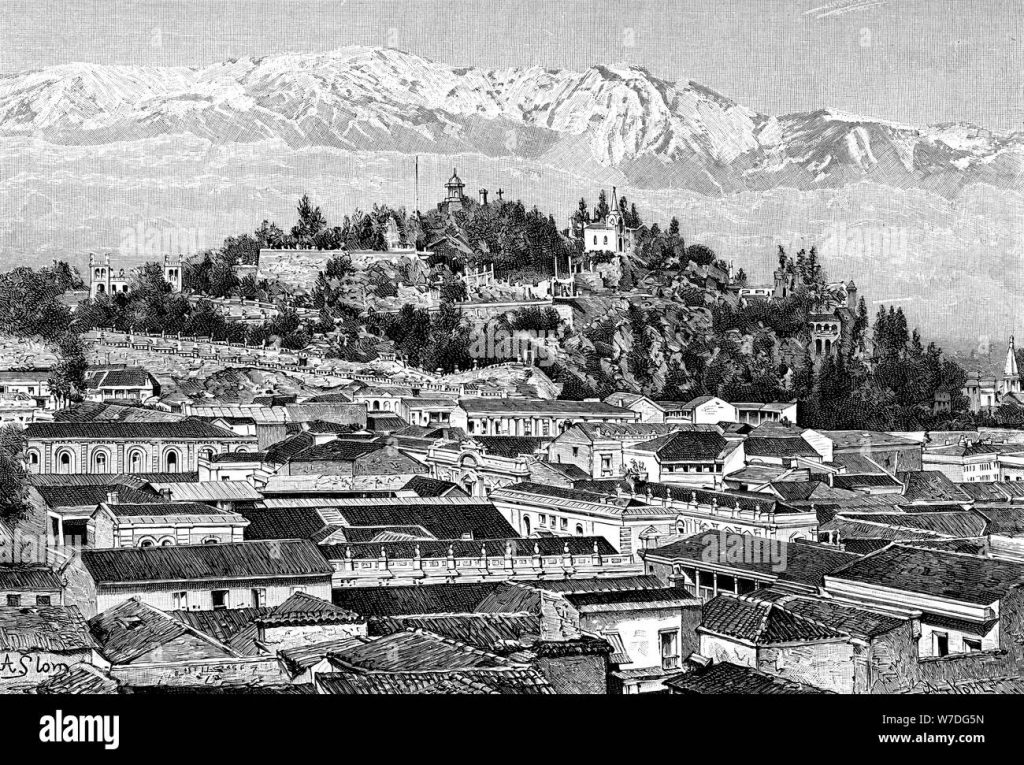
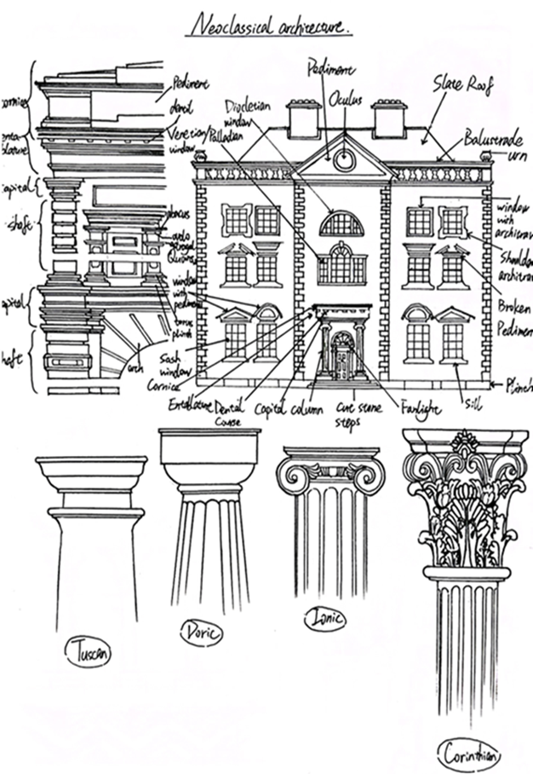
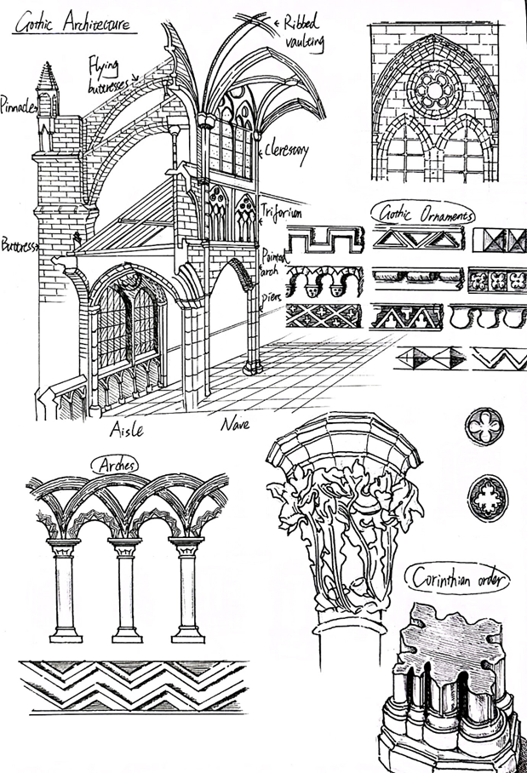
The topic I selected for this unit is Santiago Chile 1947 Barbershop. To be honest, it was very challenging for me because I could not clearly search the appearance of barbershops in this period on Google, only some photos from interior angles. Therefore, I can only start from the overall style of local architecture in Santiago. In the process of searching, I found that most of the architectural styles of the city here are Neoclassical or Gothic.
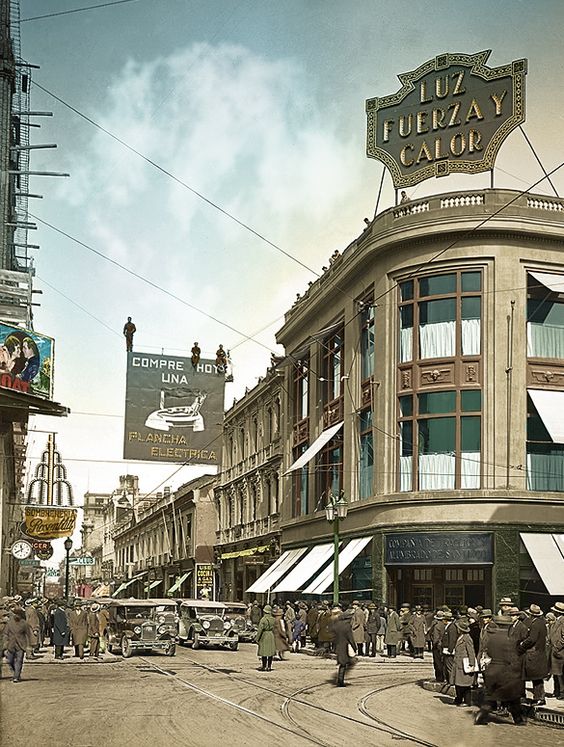
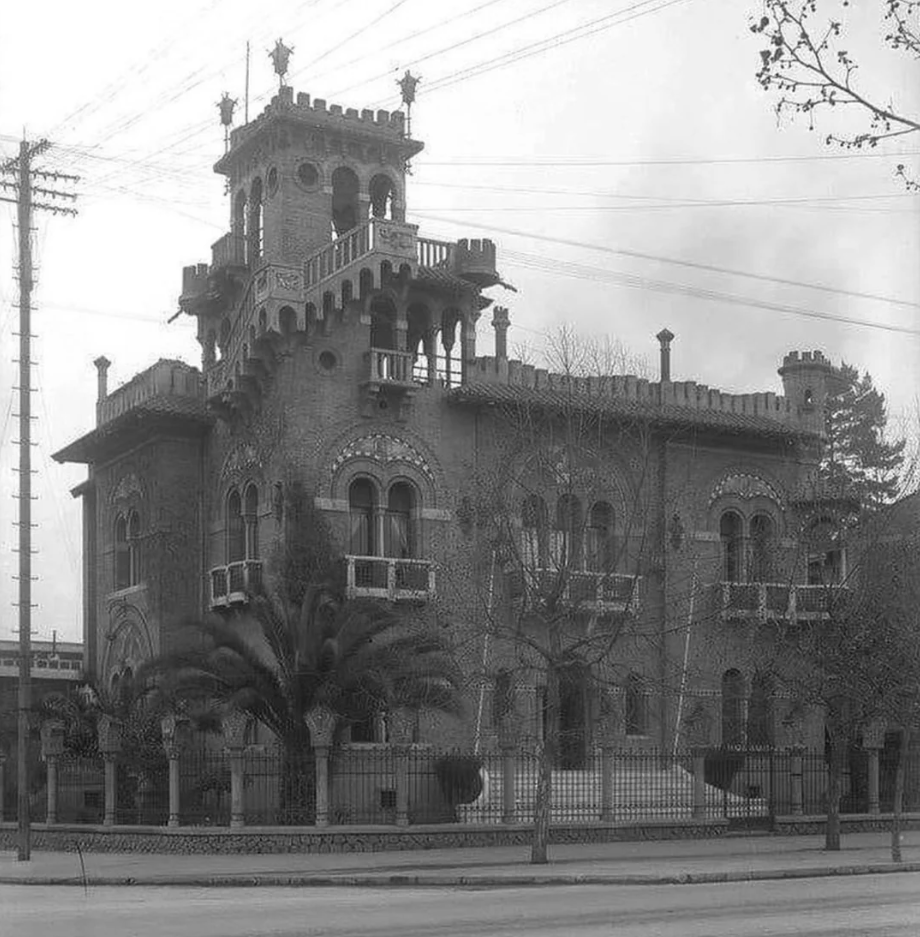
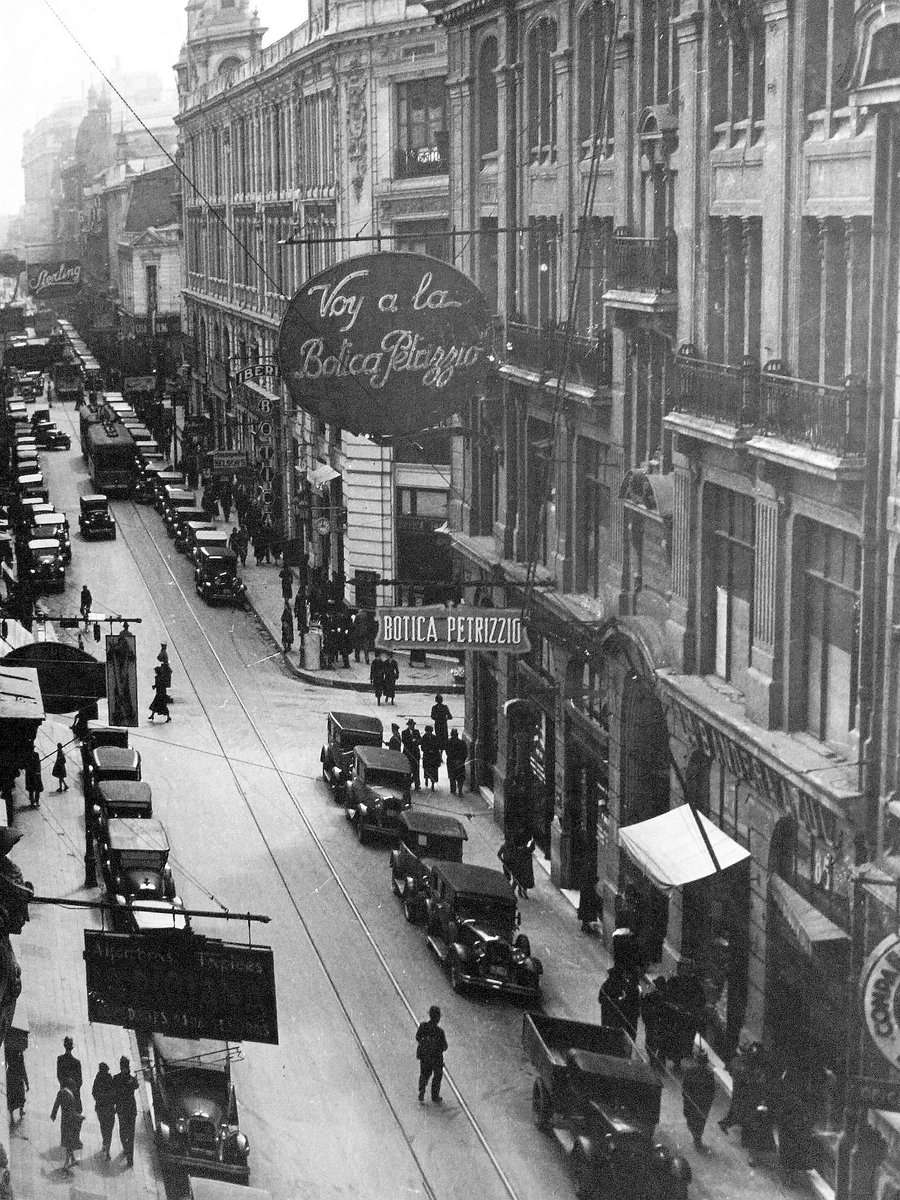
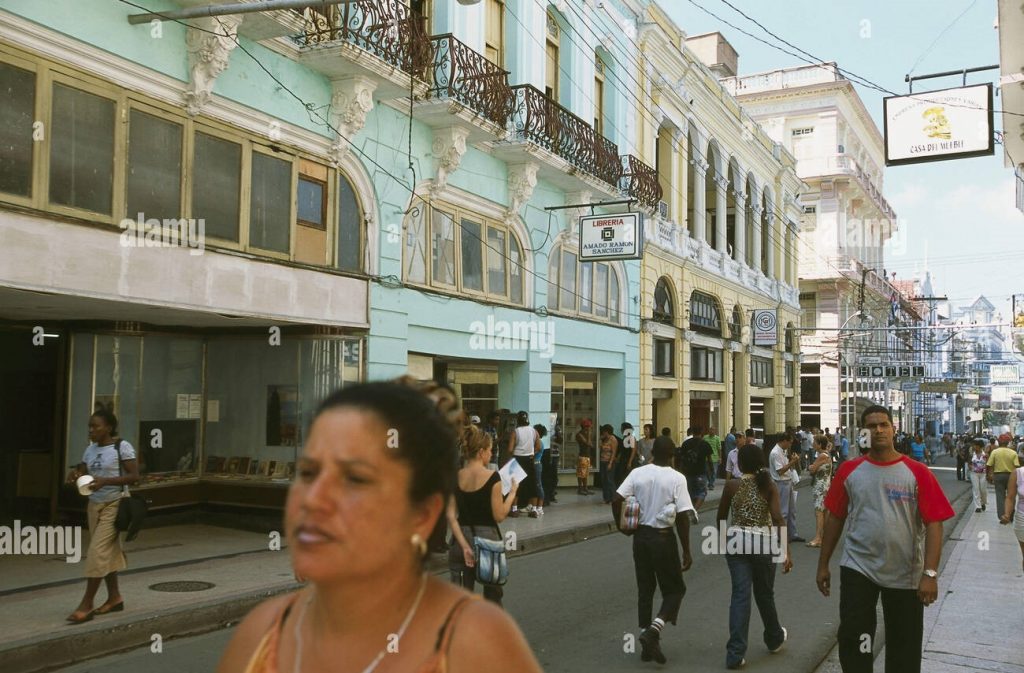
In countryside – Spanish colonial
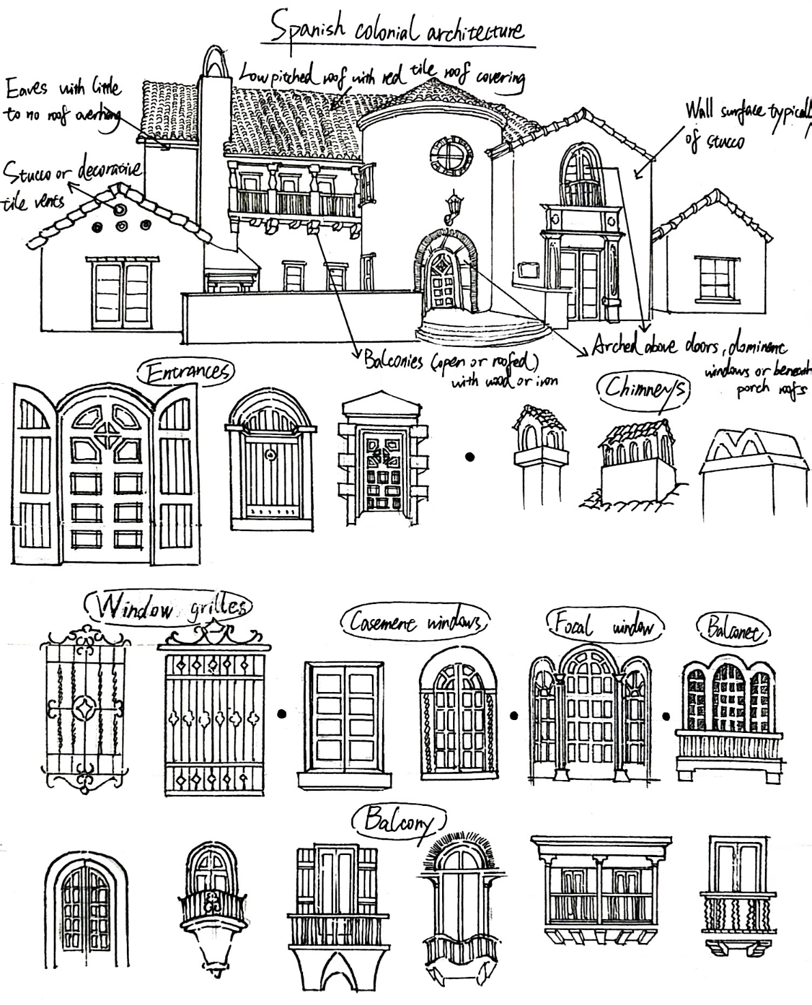
At this time, I came up with my first problem. This clear style has no local architectural characteristics, and it is difficult for the audience to recognize this place in Santiago Chile on the final product. After a period of thinking, I happened to search for some special buildings. After further research, I found that these are Spanish colonial-style buildings, which are different from the bustling commercial areas in big cities, and more local people live here in rural areas. With its red-tiled roofs, white and yellow walls, low buildings, and a large number of arched doors and Windows, it was completely different from the city.
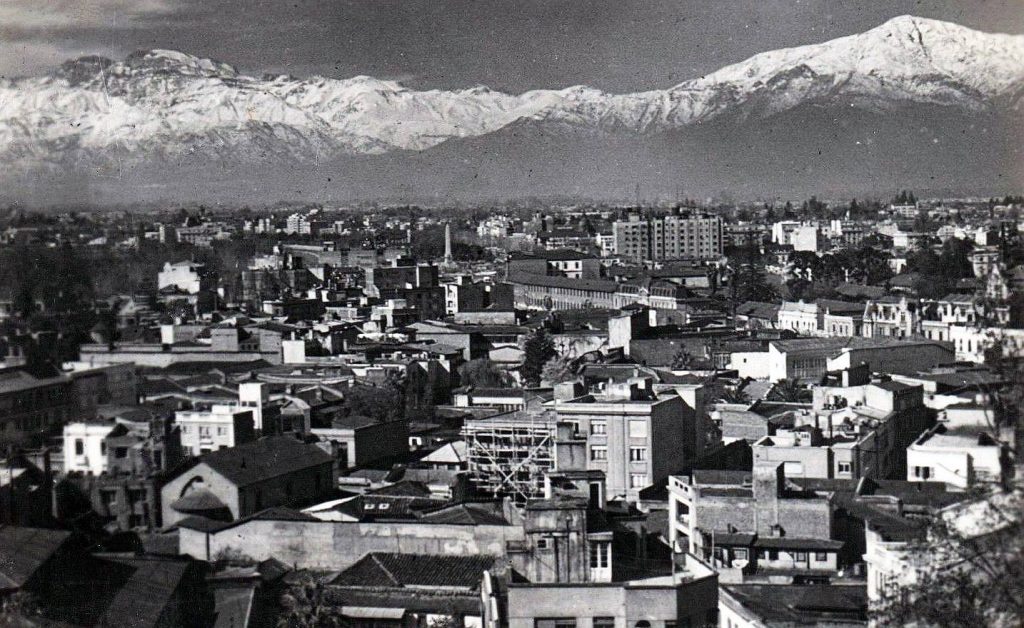
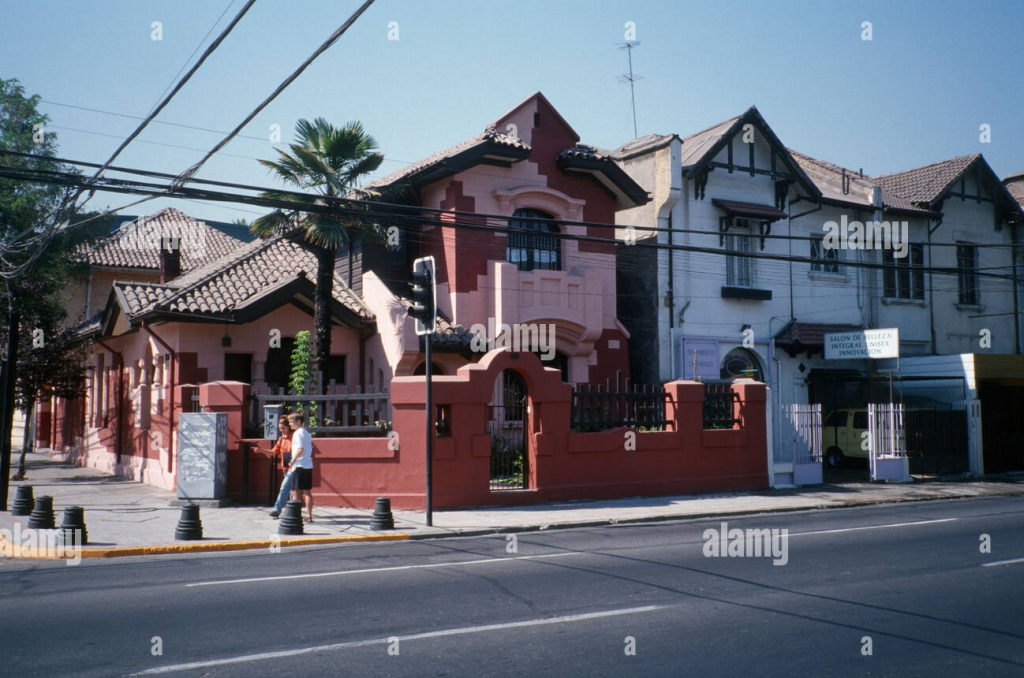
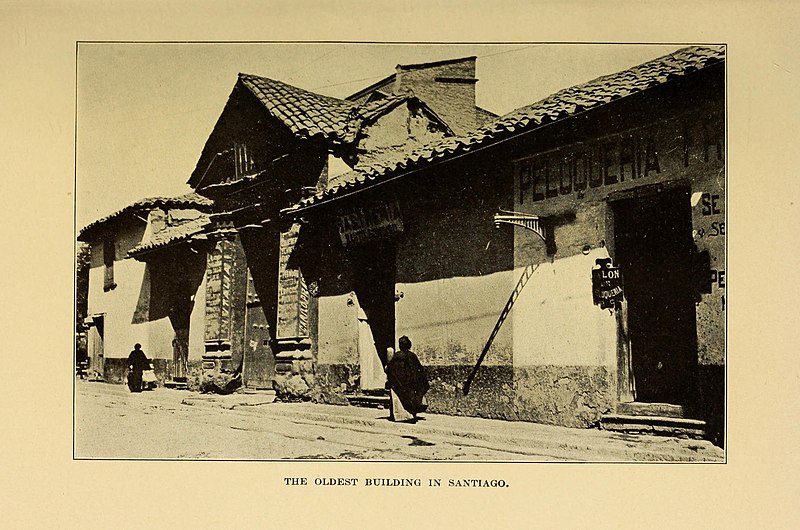
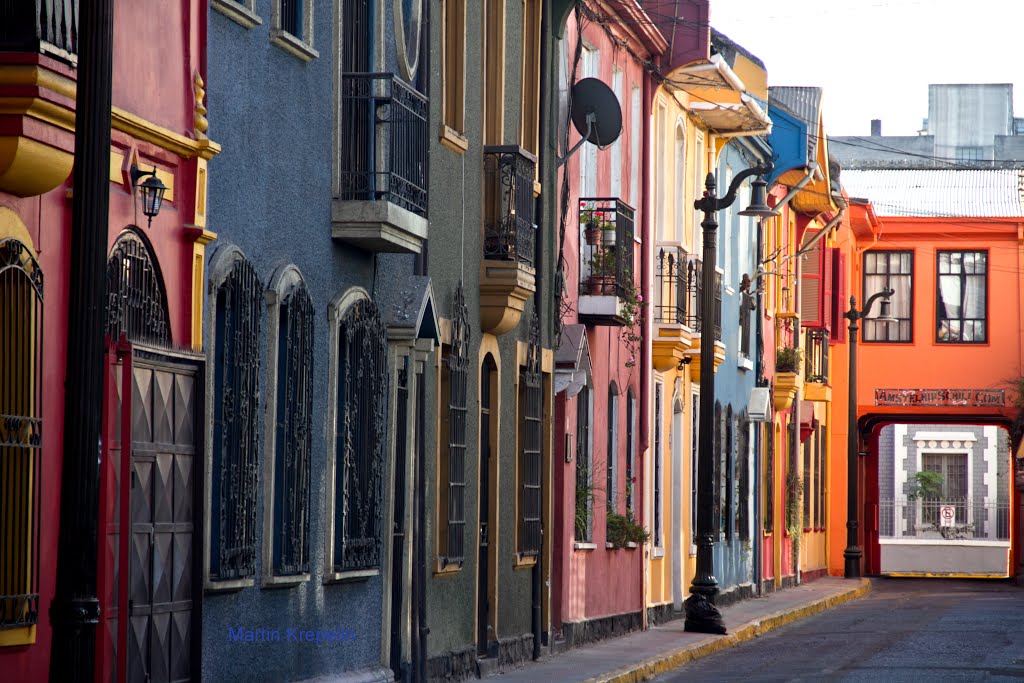
I am very excited, but everything that has been done so far is far from enough to deepen my understanding of these three different styles of architecture. I decided to sketch it down and choose the material elements for my final barbershop to combine with the design.
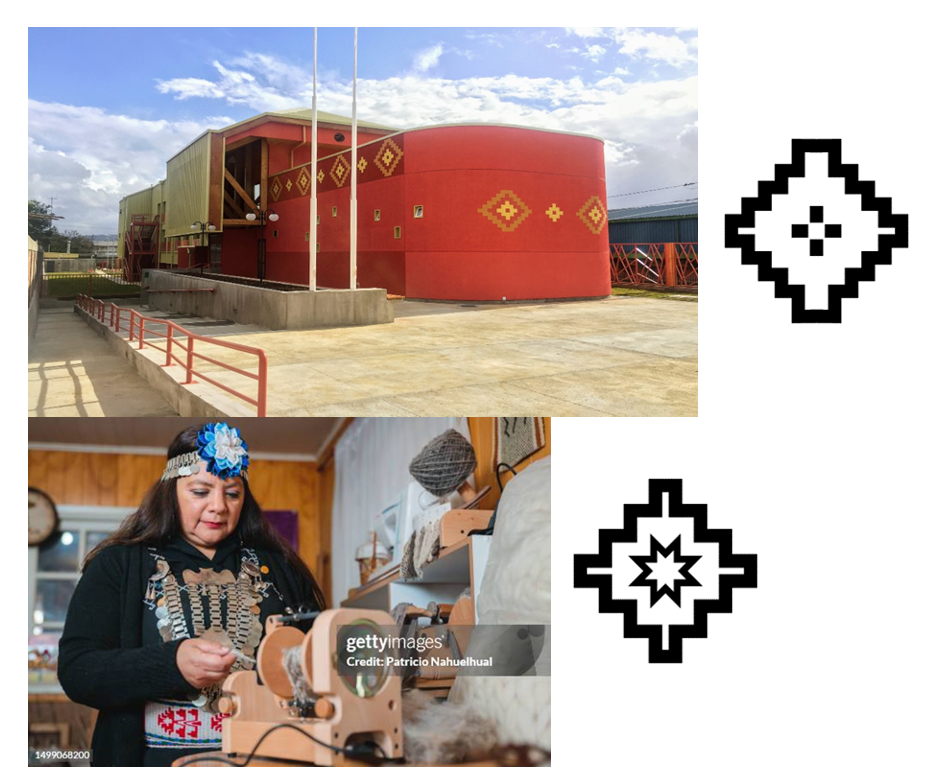
Mapuche culture – Pattern
The purpose of my design is to make my barbershop have a strong identification so that the audience can know where it is and when it was built. So I moved from collecting information on the picture level to collecting cultural characteristics and cultural symbols. I discovered that the indigenous people of Chile are the Mapuche people, and they are very respectful of nature, which is why many of the buildings in the countryside are made of wood or stone. Due to the hot climate, a large part of the local buildings are designed for shading, while the tile roof is designed for better drainage. Mapuche cultural output is mainly in three aspects, mainly totems and various accessories and patterns. They like the structure of geometry and use different arrangements and combinations to make different patterns. And give it divinity (the spirit of nature).
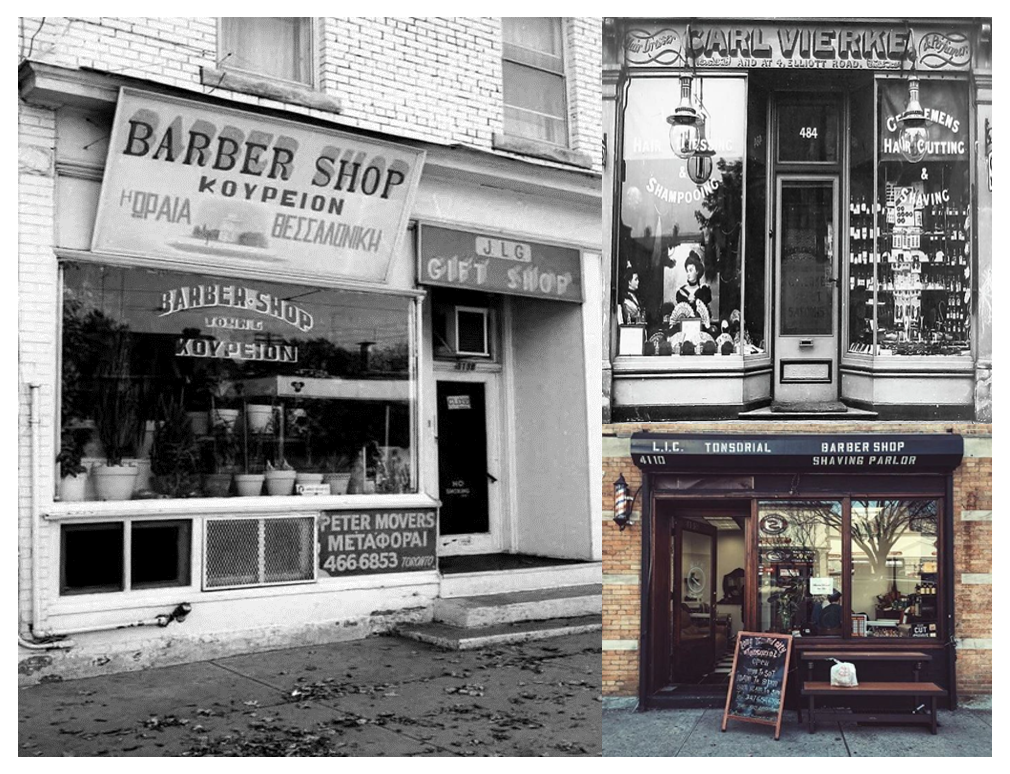
Babershop outside research
By the time I got to this point, three weeks had passed, and because the appearance of barbershops couldn’t be searched through Google images, I could only search for what barbershops looked like in the world at the same time, 1947. Amazingly, they all have the same features of large areas of glass, giant signboards, and wooden barberpoles. That’s when I started working on my first idea, my first draft.
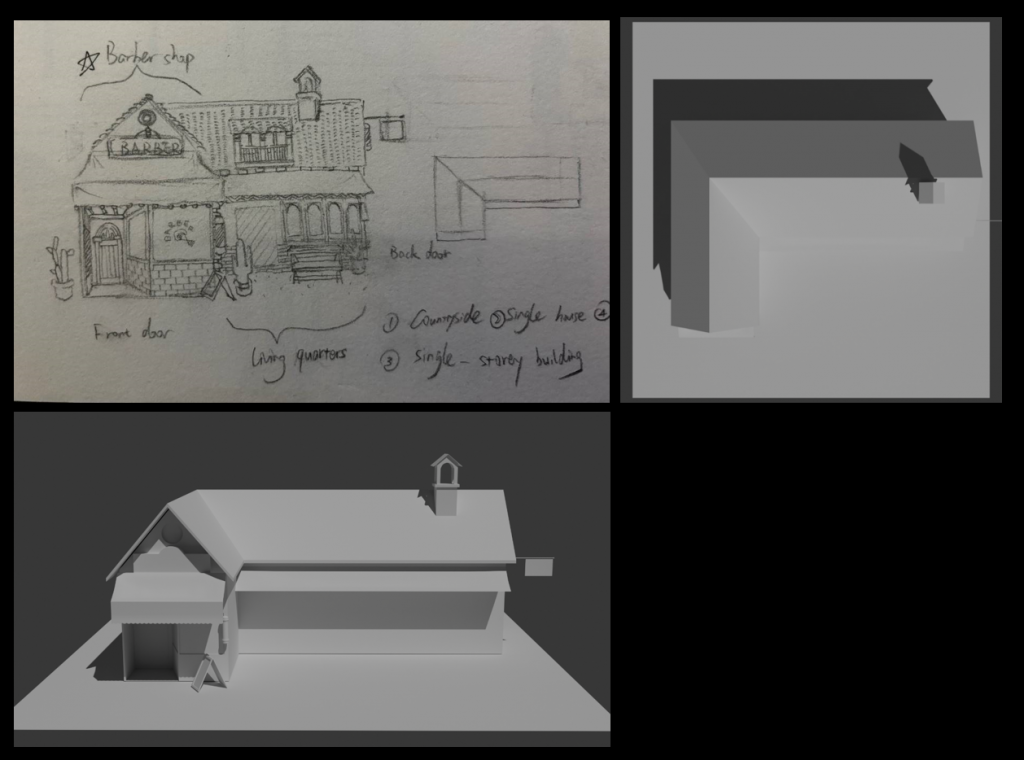
Obviously, after Adam’s review, my design failed, because I did not grasp the characteristics of the barber shop itself and the local architecture. The barber shop was designed to be very large, even covering the living room, bedroom and kitchen. However, this is completely unnecessary and unreasonable.
I think I still lacked some research on barbershops, but basically, I soon understood what the shape of the barbershop I wanted to design was. I repositioned the barbershop in a rural resort, which is the most suitable and reasonable place to open a separate barbershop, while retaining the low and flat character of the Spanish colonial architecture and extending part of the wall forward on both sides to form a curved parapet, and retaining the arched door design in the centre of the square building. In addition, I added the neoclassical elements collected at the beginning, namely Shaft and Tuscan order, in order to increase the interest and urban characteristics of the building, while retaining the local characteristics. Other elements such as signs or posters are traditional barbershop elements.
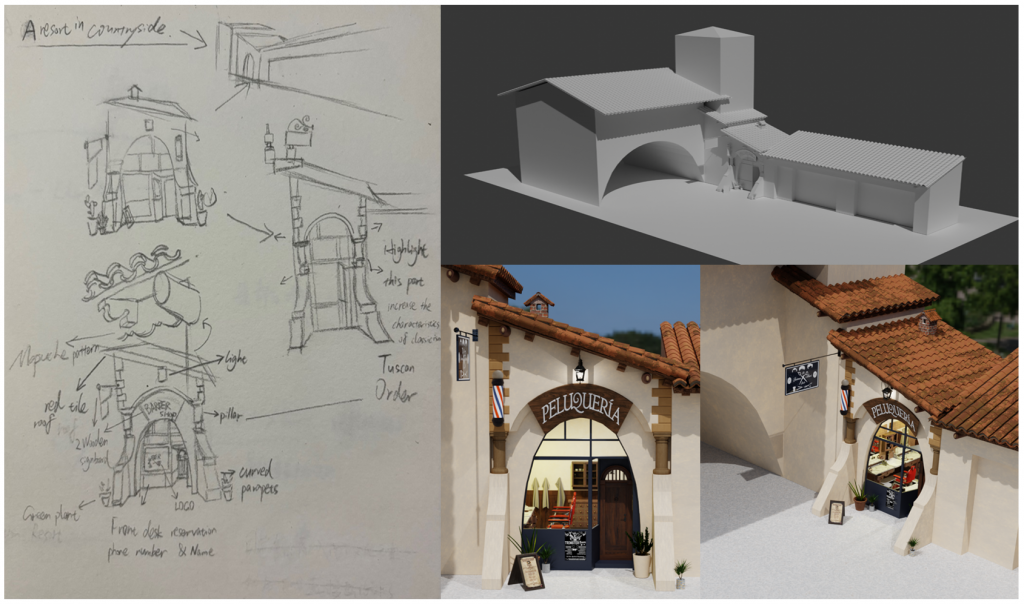
Barbershop research – Inside
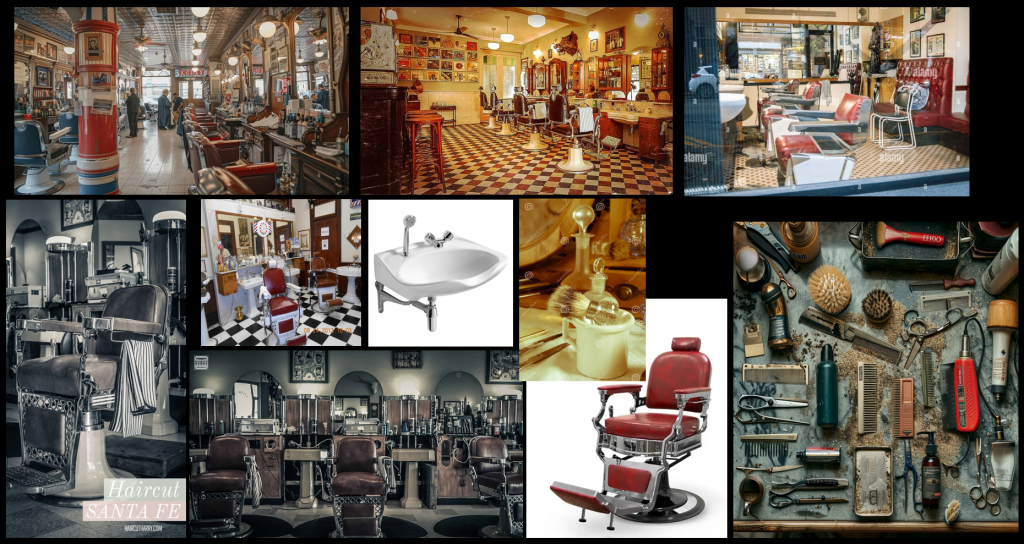
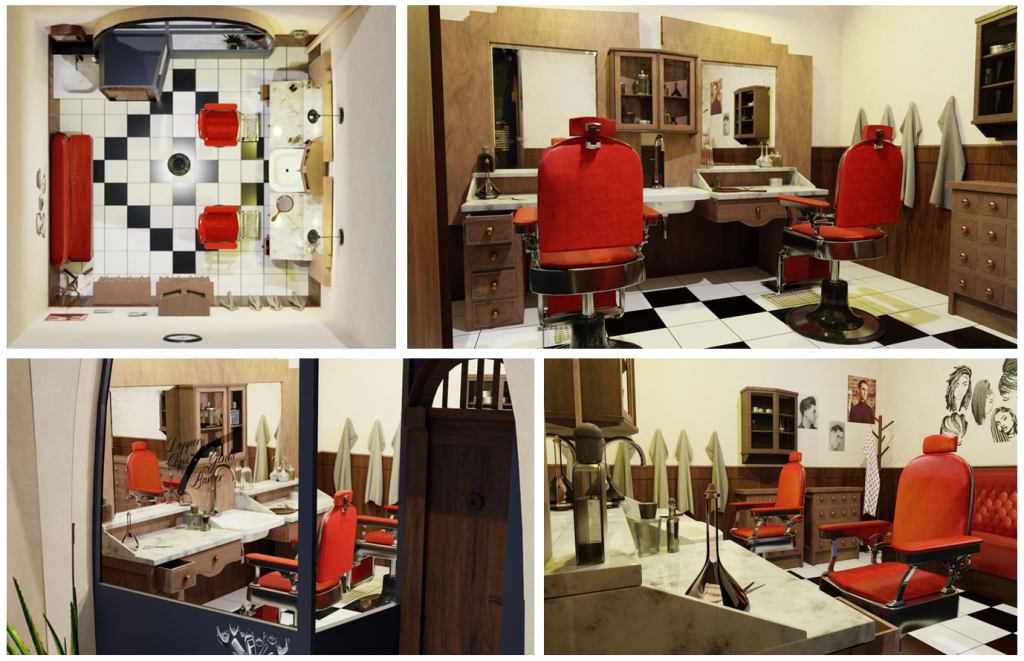
In terms of interior design, I continued the feature of using a lot of stone and wood, and designed all the objects except the sink, barber chair and sofa, such as the tool table, as wooden products. The most interesting is the Mosaic tile floor, I cleverly used the geometric pattern of Mapuche as black and white tiles and re-engraved in the same combination of materials.
What can I do better
In general, I am not satisfied with this design, because I did not really design a new local building, or I was limited by the word barber shop, which made my reference narrow and the final design was rigid. I think if I can refer more to the interior design of Spanish colonial buildings, I will make it more interesting.